


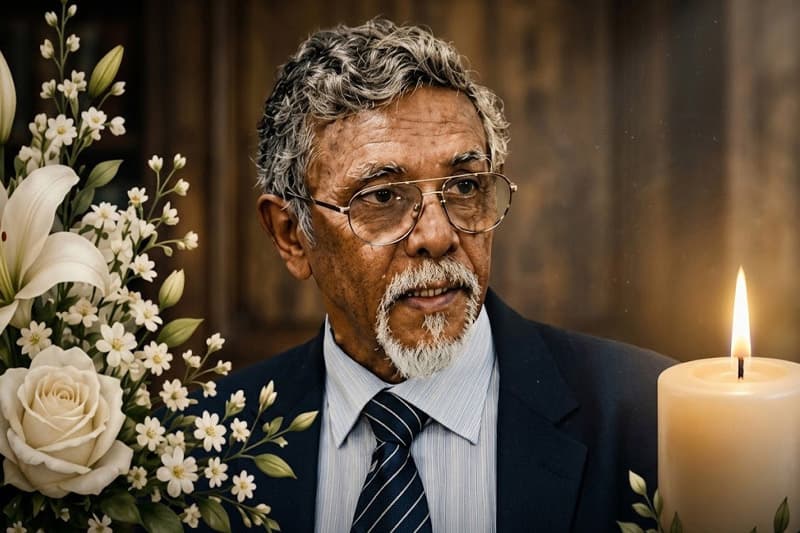
*මිනිසුන්ව තමන් මත යැපෙන්නන් නොකර ශක්තිමත් කළ නිහඬ නායකත්වයේ අසිරිමත් මතකාවර්ජනය
ශ්රී ලංකාවේ බිම්මට්ටමේ ග්රාමීය සංවර්ධනය, ප්රජා සවිබල ගැන්වීම මෙන්ම මානව හිමිකම් ක්ෂේත්රය වෙනුවෙන් අඩසියවසකට අධික කාලයක් සුවිශේෂී කාර්යභාරයක් ඉටුකළ ප්රවීණ ප්රජා සංවර්ධන ක්රියාකාරිකයෙකු සහ ස්වාධීන සමාජ විශ්ලේෂකයෙකු වූ උපාලි එස්. සී. මාගෙදරගමගේ මහතා ඊයේ අභාවප්රාප්ත විය. මියයන විට ඒ මහතා 78 වන වියෙහි පසුවිය. මතු පලවන්නේ විදෙස්ගතව සිටින ඔහුගේ වැඩිමල් පුත් අසංක මාගෙදරගමගේ සිය පියාණන් සම්බන්ධයෙන් සටහන් කර තිබු මතකාවර්ජනයකි. ඉංග්රීසි භාෂාවෙන් ලියා තිබු එම සටහනේ සංක්ෂිප්ත සිංහල පරිවර්තනයක් මතු පළවේ.
"තාත්තේ... මම හැමදාමත් ආඩම්බරයි ඔබගේ පුතා වීම ගැන!"
පිටු කිහිපයකින් ලියා නිමකළ නොහැකි ජීවිත තිබේ. ඇතැම් මිනිසුන් අපේ ආත්මය හා කෙතරම් බද්ධ වී සිටිනවාද යත්, ඔවුන් අප හැර ගිය විට වචන පවා බෙලහීන බවක් දැනෙයි.
මම මේ සටහන ලියන්නේ මගේ පියාගේ වියෝව අසා, ආපසු ලංකාවට එන ගුවන් යානය එනතුරු සූරිච් (Zurich) ගුවන් තොටුපළේ වාඩි වී සිටින මොහොතකය.
මගේ තාත්තා නික්ම ගොසිනි.
මම වෙහෙසට පත්ව, හදවතින් බිඳී සිටිමි. සියල්ල හරිහැටි මතකයට නංවා ගැනීමට තරම් මානසික ශක්තියක් මේ මොහොතේ මට නැත. සමහරවිට මට මගහැරුණු කතා, අමතක වූ නම් සහ පසුව මතකයට එන දහසක් දේ තිබිය හැකිය. එහෙත් මම මේ උත්සාහය දරන්නේ මගේ ආදරණීය පියා, උපාලි මාගෙදරගමගේ වෙනුවෙනි. ඔහු සමාජ විද්යාඥයෙකි; පර්යේෂකයෙකි; ග්රාමීය සංවර්ධන ක්රියාකාරිකයෙකි; ආයතන ගොඩනැගූවෙකි; මානව හිමිකම් වෙනුවෙන් පෙනී සිටි අයෙකි; පුහුණුකරුවෙකි; උපදේශකයෙකි; උපායමාර්ගික සැලසුම්කරුවෙකි. සිය ජීවිතයේ වැඩි කාලයක් අන්යයන්ට නැගී සිටීමට මංපෙත් සකසා දුන් මිනිසෙකි. එහෙත් ඒ සියල්ලටම වඩා මට ඔහු හුදෙක් තාත්තාය. මගේ ගුරුවරයාය. මගේ වීරයාය. ඔහු මට ඉතිරි කර ගිය උතුම්ම උරුමය කිසියම් සංවිධානයක්, තනතුරක්, ව්යාපෘතියක් හෝ පොතක් නොවේ; ඔහු මට කියාදුන් ජීවත් වීමේ කලාවයි.
මිනිසුන් තේරුම් ගැනීමට වෙස්වළාගත් තරුණයා
මගේ පියාගේ සමාජ පර්යේෂණ ගමන ඇරඹෙන්නේ මහාචාර්ය නන්දසේන රත්නපාලයන් සමඟ එක්ව තරුණ වියේදීමය. එකල කොළඹ නගරයේ ආන්තිකව ජීවත් වූ යාචකයින්, වීදි දරුවන් සහ ගණිකාවන් වැනි අතිශය දුෂ්කර හා අසාමාන්ය ක්ෂේත්ර පිළිබඳ පර්යේෂණවලට ඔහු දායක විය. සුවපහසු කාමරයක වාඩි වී ලියන ලියවිලිවලින් මිනිසුන්ව තේරුම් ගත නොහැකි බව ඔහු විශ්වාස කළේය. ඔහුට අවශ්ය වූයේ මිනිසුන් අතරටම යන්නටය. වීදියේ අනෙක් කෙළවරේ සිට සමාජය දෙස බලන්නටය.
එම පර්යේෂණ අතරතුර, ඔහු තමන් හදාරන මිනිසුන්ගේ අත්දැකීම් සැබෑවටම විඳගැනීම සඳහා යාචකයෙකු ලෙස පවා වෙස්වළාගෙන ගිය ආකාරය අපේ පවුලේ අයට අදටත් මතකය. ඔහුට සමාජය නිකම්ම නිරීක්ෂණය කිරීමට වුවමනා වූයේ නැත; ඔහුට අවශ්ය වූයේ එය ඇතුළාන්තයෙන්ම තේරුම් ගැනීමටයි. පිටත පෙනුමෙන් එහා ගිය සැබෑ මිනිසා හඳුනා ගැනීමේ ඒ සහජ ගුණය, පසුකාලීනව ඔහු කළ සියලු වැඩවල පදනම බවට පත්විය.
මතවාද, දේශපාලනය සහ ජාතියක් සෙවීම
සිය ශාස්ත්රීය ජීවිතය තුළදී මගේ පියා තම සොහොයුරා සමඟ එක්ව, එක්සත් ජාතික පක්ෂයේ ශිෂ්ය අංශය බිහිකිරීමේ මුල් අඩිතාලම දැමීමට කටයුතු කළේය. හැත්තෑව දශකයේ කොල්ලුපිටියේ පක්ෂ මූලස්ථානය පැවති සමයේ එහි පුස්තකාලය ස්ථාපිත කිරීමට මූලික වූයේ ඔහුය.
එහෙත් ඔහුගේ චින්තනය හුදු පක්ෂ දේශපාලනයට පමණක් සීමා වූවක් නොවේ. ජාතියක් ලෙස අප කවුරුන්ද, ශ්රී ලංකාව ගොඩනැගිය යුත්තේ කෙසේද යන්න ගැන ඔහු නිරන්තරයෙන් කල්පනා කළේය. මෙරට ප්රථම අග්රාමාත්ය ඩී. එස්. සේනානායකයන්ගේ සොහොයුරු එෆ්. ආර්. සේනානායකයන්ගේ පුත් උපාලි සේනානායක මහතා සමඟ එක්ව 'ජාතික උරුමය' නම් සංවිධානය ගොඩනැගීමට ඔහු දායක විය. ජාතික අනන්යතාව, සිංහ කොඩිය, සංවර්ධනය සහ ජාතිය ගොඩනැගීමේ දර්ශනය පිළිබඳව ඔවුහු සාකච්ඡා කළහ.
මගේ පියාට ස්ථිර දේශපාලන විශ්වාසයන් තිබිණි. එහෙත් ඔහු සතුව තිබූ විශිෂ්ටතම ගුණාංගය වූයේ, තමන්ට මතවාදයක් තිබූ පමණින් අනෙකාට තමන්ගේ මතය දැරීමට ඇති අයිතිය නැති නොකිරීමයි. ඒ පාඩම ඔහු මගේ ජීවිතයට ලබාදුන් අගනාම දායාදයකි.
අදහස් ක්රියාවට නැංවීම: යැපෙන්නන් නොව නැගී සිටින්නන් තැනීම
සණස (SANASA), සර්වෝදය (Sarvodaya) සහ කුසගින්නෙන් නිදහස් කිරීමේ ව්යාපාරය (Freedom from Hunger Campaign) වැනි මෙරට මුල්පෙළේ ප්රජා ව්යාපාර බිහිවීමේ මූලික අවධියට මගේ පියා සම්බන්ධ විය. ඔහු හුදු සහභාගිවන්නෙකු පමණක් නොව, ගොඩනගන්නෙකු විය. ඔහු ජාතික සංවර්ධන පදනම (NDF) ආරම්භ කළේය.

දශක ගණනාවක් පුරා ග්රාමීය ප්රජාවන්, රාජ්ය නොවන සංවිධාන සහ ප්රජා මූල සංවිධාන (CBOs) සමඟ කටයුතු කරමින් ව්යාපෘති සකස් කිරීම, ප්රතිපාදන සෙවීම සහ ආයතනික ධාරිතාව වර්ධනය කිරීමට ඔහු සහාය විය. අදහස් ව්යාපෘති බවටත්, ව්යාපෘති සංවිධාන බවටත්, එම සංවිධාන තමන් නොමැතිව වුවද තනිව පවත්වාගත හැකි ස්වාධීන ආයතන බවටත් පත්කිරීමට ඔහු මගපෙන්වීය. සිය ජීවිත කාලය තුළ එවැනි ප්රජා සංවිධාන 300කට අධික සංඛ්යාවක් ගොඩනැගීමට සහ ශක්තිමත් කිරීමට ඔහු දායක විය.
ඒ ගැන මම නිහතමානීව ආඩම්බර වෙමි. මක්නිසාද යත්, මගේ පියා මිනිසුන්ව තමන් මත යැපෙන්නන් කිරීමට උත්සාහ නොකළ බැවිනි. ඔහු වෙහෙසුණේ තමන්ගේ පිහිටක් නැතිව වුවද මිනිසුන්ට තනිව නැගී සිටිය හැකි ශක්තිය ලබාදීමටයි. නිහඬ, ප්රායෝගික, කිසිවෙකුට නොපෙනෙන, එහෙත් චිරස්ථායී නායකත්වය එයයි.
වතුර: ශිෂ්ටාචාරයේ හුස්ම
වතුර යනු මගේ පියාට හුදෙක් ජලයම පමණක් නොවේ. එය ශිෂ්ටාචාරයයි; කෘෂිකර්මාන්තයයි; ආහාරයි; ගරුත්වයයි; පැවැත්මයි. ගම්මානවලට තම අනාගතය ගොඩනගා ගත හැකි මූලික පදනමයි. මෙරට වැව්, අමුණු, ඇළ මාර්ග පද්ධතිය ඔස්සේ පරම්පරා ගණනාවක් සමෘද්ධිමත් කළ ශ්රී ලංකාවේ ඓතිහාසික වාරි ශිෂ්ටාචාරය කෙරෙහි ඔහු තුළ තිබුණේ දැඩි විශ්වාසයකි. එම ශිෂ්ටාචාරමය ප්රබෝධය නැවත දැකීමට ඔහු සිහින මැවීය.
ඔහුගේ ග්රාමීය සංවර්ධන කාර්යයේ විශිෂ්ටතම සංධිස්ථානයක් වූයේ කුඩා වාරි වැව් 147ක් ප්රතිසංස්කරණය කිරීම සහ අලුතින් ඉදිකිරීමයි. එමගින් ප්රතිලාභ ලැබූ පවුල් සංඛ්යාව 30,000ත් 50,000ත් අතර වේ.
මේ ජලය හා බැඳුණු අතිශය පෞද්ගලික මතකයක් මා සතුව ඇත. මට මාස තුනක් වන විට මගේ පියා මාව අනුරාධපුර තිසාවැව ළඟට රැගෙන ගොස් ඇත. ඔහු සිය මාව දියවර වෙත රැගෙන ගොස් එම පූජනීය ජලයෙන් මාව ස්නානය කරවා ආශිර්වාද කර ඇත. ජීවිත කාලය පුරාම ඔහු මට අවස්ථා කිහිපයකදීම කීවේ එක් දෙයකි: "පුතේ, කවදාහරි දවසක උඹ වැව් දාහක් හදන්න ඕන."
ඒ වචන මගේ හදවතේ තදින්ම කාවැදුණි. ඔහු කතා කළේ වැව් ගැන පමණක් නොවේ; මුළුමහත් ශිෂ්ටාචාරය නැවත පණගැන්වීම ගැනය. ගම්මාන යළි පිබිදීම ගැනය. තමන්ගේ අනාගතය තමන් විසින්ම තනාගැනීමට මිනිසුන්ට මංපෙත් විවර කරදීම ගැනය.
කිසිදු වැවක තමන්ගේ නම නොකෙටූ මිනිසා
ඒ වැව් 147 තුළ මගේ පියා කවුදැයි කියාපාන අපූරු රහසක් තිබේ. කිසිදු වැවක "උපාලි මාගෙදරගමගේ විසින් ඉදිකරන ලදී" යනුවෙන් සමරු ඵලකයක් සවි කිරීමට ඔහු කිසිදා ඉඩ දුන්නේ නැත. ඔහුට එවැනි දේ අවශ්ය නොවීය.
යම් ගමක වැවක් හැදුණු පසු, ඒ දෙස බලා ගැමියන් පැවසිය යුත්තේ "ඔහු අපට මේක හදලා දුන්නා" කියා නොව, "අපි මේක කළා" කියා බව ඔහුගේ දර්ශනය විය. නායකයෙකුගේ වගකීම වන්නේ මිනිසුන්ට තම ශක්තිය තේරුම් කර දී, ජයග්රහණයේ අයිතිය ඔවුන්ටම හිමිකර දීම බව ඔහු තරයේ ඇදහුවේය. ඔහුට පිළිම, සමරු ඵලක හෝ කොන්ක්රීට් මත කොටන නම් අවශ්ය නොවීය. ගමකට වතුර ඇත්නම්, පවුලකට ගොවිතැන් කළ හැකි නම්, කාන්තාවන්ට සංවිධානය විය හැකි නම්, ප්රජාවකට තමන්ගේ දෙපයින් නැගී සිටිය හැකි නම්—ඔහුට ඒ හොඳටම ප්රමාණවත් විය.
ප්රායෝගික විසඳුම් සහ කාන්තා සවිබලගැන්වීම
ශ්රී ලංකාවට ජෛව වායු (Biogas) තාක්ෂණය හඳුන්වාදීමට සහ ප්රචලිත කිරීමට පුරෝගාමී වූයේද ඔහුය. සංවර්ධනය යනු පොතපතට සීමා වූ න්යායක් නොව, සාමාන්ය මිනිසුන්ට ප්රායෝගිකව භාවිත කළ හැකි විසඳුමක් විය යුතු බව ඔහුගේ පිළිවෙත විය.
ලංකා සංචාරක මණ්ඩලය (IDRC පර්යේෂණ හරහා), කුසගින්නෙන් නිදහස් කිරීමේ ව්යාපාර මණ්ඩලයේ රාජ්ය නොවන අංශයේ සම්බන්ධීකාරක ලෙස, ජාතික රාජ්ය නොවන සංවිධාන කවුන්සිලයේ ලේකම් ලෙස, ජනසවිය භාර අරමුදලේ උපදේශකයෙකු ලෙස මෙන්ම IFAD වියළි කලාපීය සංවර්ධන වැඩසටහනටද ඔහු සිය දායකත්වය ලබාදුන්නේය.
එසේම, කාන්තාවන් සවිබල ගැන්වීම ඔහුගේ කාර්යභාරයේ ප්රධාන අංගයක් විය. ග්රාමීය කාන්තා සංවිධාන ගොඩනැගීමට, නායකත්ව පුහුණුව ලබාදීමට සහ සම්පත් සපයා ගැනීමට ඔහු නිරන්තරයෙන් උදව් කළේය. "එක් කාන්තාවක් ශක්තිමත් කළ විට, ශක්තිමත් වන්නේ එක් පුද්ගලයෙක් පමණක් නොවේ; පවුලක්, ගමක් සහ ඉදිරි පරම්පරාවක්ම ශක්තිමත් වෙනවා" යන්න ඔහු නිතර පැවසීය. ඇමරිකානු ලේඛිකා රිතූ ෂර්මා (Ritu Sharma) විසින් රචිත 'Teaching Women to Fish' කෘතියේ පරිච්ඡේද දෙකක්ම මගේ පියාගේ කාන්තා සවිබලගැන්වීමේ කාර්යභාරය වෙනුවෙන් වෙන්කර තිබුණේද ඒ නිසාය.
ආසියානු කලාපයට ගිය මෙහෙවර සහ අන්වර් ඊබ්රාහිම් වෙනුවෙන් නැගී සිටීම
ඔහුගේ මෙහෙවර ශ්රී ලංකාවෙන් ඔබ්බට ආසියානු කලාපය පුරාද ව්යාප්ත විය. ආසියානු සංස්කෘතික සහ සංවර්ධන සංසදයේ (ACFOD) විධායක සභිකයෙකු ලෙසත්, පසුව බැංකොක්හි එහි සම්බන්ධීකාරක ලෙසත් ඔහු කටයුතු කළේය. අනතුරුව සංස්කෘතිය හා සංවර්ධනය සඳහා වූ ආසියානු ජාලයේ (ANCAD) නිර්මාතෘ සහ විධායක අධ්යක්ෂවරයා ලෙස පත්විය. දකුණු ආසියාවේ මිනිස් ජාවාරම් පිටුදැකීම, නැගෙනහිර ආසියාවේ කුඩා අවි ව්යාප්තිය පාලනය, මානව හිමිකම් සහ නැගෙනහිර තිමෝරයේ සාම ක්රියාවලිය වැනි බරපතළ කලාපීය ගැටලුවලට ඔහු මැදිහත් විය. ඉන්දුනීසියාවේ හිටපු ජනාධිපති අබ්දුර්රහ්මාන් වහීඩ් (Abdurrahman Wahid) වැන්නන් සමඟද ඔහු සමීපව කටයුතු කළේය.
මැලේසියාවේ එවක අගමැති මහතීර් මොහොමඩ් සමඟ ඇතිවූ දේශපාලන අර්බුදය හමුවේ අන්වර් ඊබ්රාහිම් සිරගත කළ අවස්ථාවේදී, මගේ පියා නිහඬව බලා සිටියේ නැත. අන්වර් ඊබ්රාහිම් නිදහස් කරගැනීමේ ජාත්යන්තර ප්රයත්නයන්ට ඔහු සෘජුව දායක විය. අන්වර්ගේ බිරිඳට සහ දියණියට ජිනීවා නුවර මානව හිමිකම් කවුන්සිලයට එම ප්රශ්නය රැගෙන යාමට සහ ජාත්යන්තර අවධානය දිනාගැනීමට ඔහු සමීපව උදව් කළේය. අසාධාරණයක් දුටු තැන හුදෙක් සාකච්ඡා මේසවලට පමණක් සීමා නොවී, ක්රියාත්මක විය යුතු බව ඔහුගේ පිළිවෙත විය.
යුද්ධය නිමාවීමෙන් පසු උතුරට ගිය ඔහු, මුලතිව් ඇතුළු ප්රදේශවල ජනතාවගේ ජීවනෝපාය නැවත ගොඩනැගීමට දායක විය. සාමය යනු හුදෙක් වෙඩි හඬ නැවතීම පමණක් නොව, මිනිසුන්ට නැවත ගෞරවනීයව ජීවත් වීමට පරිසරය සකස් වීම බව ඔහු විශ්වාස කළේය. එසේම ශ්රී ලංකා මැතිවරණ කොමිෂන් සභාවේ උපායමාර්ගික සැලසුම් උපදේශකයෙකු ලෙසද රාජ්ය ආයතනික පද්ධතිය ශක්තිමත් කිරීමට ඔහු අගනා දායකත්වයක් ලබාදුන්නේය.
"සම්පූර්ණ මාක්ස්වාදියෙක් වෙයන් පුතේ": නිවසේදී කියාදුන් ජීවිත පාඩම
මේ සියලු ජාත්යන්තර සහ ජාතික තලයේ කාර්යයන්ට වඩා මගේ පියාගේ සැබෑ තරම මට පෙනුණේ අපේ නිවස තුළදීය. ඔහු අපව සරසවි පොත්හලට රැගෙන ගොස් පොත්පත් අරන් දුන්නේය. මට වයස අවුරුදු දාහතරේදී මාක්ස්වාදය පිළිබඳ පොතක් දුටු මම, එය මිලදී ගැනීමට අවසර ඉල්ලුවෙමි. ඔහු කිසිදු පැකිලීමකින් තොරව ඊට අවසර දුන්නේය.

මම මාක්ස්වාදය ගැන උනන්දුවෙන් කියවූයෙමි. එක් දිනක් රාත්රී කෑම මේසයේදී මම මගේ පියාට "සහෝදරයා" (Comrade) කියා ඇමතුවෙමි. ශ්රී ලංකාවේ කොමියුනිස්ට් පක්ෂයේ මධ්යම කාරක සභිකාවකව සිටි මගේ මව ඒ ගැන කලබල වුවද, පියා ඉතා සන්සුන්ව, "නෑ නෑ සහෝදරී... අසංක සහෝදරයාට කතා කරන්න දෙන්න, එයාට යමක් කියන්න තියෙනවා" යැයි පැවසීය. මම මගේ අදහස් තර්ක කළෙමි. ඔහු සාවධානව අසා සිටියේය.
තමන් දක්ෂිණාංශික අදහස් දැරූ පමණින් පුතාගේ වාමාංශික අදහස් නිහඬ කිරීමට ඔහු හැදුවේ නැත. ඒ වෙනුවට ඔහු මට කියාදුන්නේ මෙවැන්නකි:
"එක පොතක් කියවලා කාලෙ මාක්ස්වාදියෙක් වෙන්න එපා. යමක් විශ්වාස කරනවා නම් ඒක මුල සිට අගටම හරියට හදාරපන්. ප්රශ්න කරපන්. න්යාය ඉගෙන ගනින්. සම්පූර්ණ මාක්ස් කෙනෙක් වෙයන්."
ස්වාධීනව, ගැඹුරින් සිතන්නට ඔහු මට මගපෙන්වූයේ එලෙසිනි. අන්තර්ජාලය මෙරටට මුල්වරට පැමිණි අනූව දශකයේ මැද භාගයේදීම මට Pan Lanka හරහා ඊමේල් ලිපිනයක් සකසා දෙමින් තාක්ෂණය වැළඳගන්නට මට ඉඩදුන්නේද ඔහුය.
අභියෝග හමුවේ ජීවිතය ජයගැනීම
ජීවිතයේ මට වැරදුණු, බියක් සහ කෝපයක් දැනුණු අවස්ථාවක පියා මගෙන් ඇසුවේ, "මිනිස්සු ජේසුස් වහන්සේට වන්දනා කරන්නේ ඇයි?" කියාය. මම නොදන්නා බව කීවෙමි.
"උන්වහන්සේට මහා අභියෝග ආපු වෙලාවේ, තමන්ට වැරදි කරපු අයට ශාප කරන්න, දඬුවම් කරන්න කියලා පිය රජාණන්ගෙන් ඉල්ලන්න තිබුණා. ඒත් උන්වහන්සේ තෝරාගත්තේ සමාව දීම. මට ඕනෙ උඹත් ඒ වගේ වෙනවා දකින්නයි. ප්රශ්න, දුක් කරදර ආවා කියලා උඹේ මනුස්සකම නැති කරගන්න එපා. උඹ මගේ පුතා..."
අද මගේ පියා නික්ම ගොස් සිටින මොහොතේ, මගේ ආත්මයෙන් අඩක් අහිමි වී ඇති මේ නිහඬ මොහොතේ, මගේ කන්වල දෝංකාර දෙන්නේ ඔහුගේ ඒ වචනයි. ජීවිතය රිදවන විට වෙනස් නොවී, තමන් තමන් ලෙසම හිඳිමින්, සමාව දෙමින්, නැවත නැවතත් ගොඩනැගිය යුතු බව මම මෙනෙහි කරමි.
"මට කවදාහරි අසංකගේ තාත්තා වෙන්න ඕනෑ වුණා"
දිනක් නිවසින් පිටත්ව යන්නට පෙර පියා මට පැවසූ දෙයක් මගේ මතකයට නිතර එයි.
"හැමෝම උඹට කියන්නේ උපාලිගේ පුතා කියලා. ඒක හොඳයි. ඒත් මම ආසයි කවදාහරි කවුරුහරි මට 'අසංකගේ තාත්තා' කියලා කියනවා අහන්න. සොරි පුතේ, මට උඹට ඒ තැන හදලා දෙන්න බැරි වුණා."
අද මම ඔහුට මෙසේ කියමි: "මටත් සමාවෙන්න තාත්තේ... මට කවදාවත් ඒ තැනට එන්න ඕන වුණේ නෑ. මොකද මම හැමදාමත් ආස කළේ 'උපාලිගේ පුතා' කියලා අහන්නයි. ඔබ මට දුන්නේ හිස ඔසවාගෙන යා හැකි අභිමානවත් නමක්. මම ජීවත්ව සිටින තුරා ඒ නම රැගෙන යනවා. මම හැමදාමත් උපාලිගේ පුතා තමයි."
අවසන් සමුගැනීම
මගේ පියාගේ වියෝවෙන් පසු ඔහුට දරුවන් තිදෙනෙකු සහ මුනුබුරන් තිදෙනෙකු ඉතිරිව සිටිති. ඇමරිකාවේ Global Strategic Solutions භූ-දේශපාලනික චින්තන පර්ෂදයේ ප්රධාන විධායක නිලධාරී ලෙස මමද (අසංක මාගෙදරගමගේ), මනෝවිද්යාඥවරියක වන වෛද්ය චින්තනී මාගෙදරගමගේ දියණියද, මෙරට ප්රකට පරිසරවේදියෙකු වන බාල පුතුද, ප්රහංස, රිවිදුන් සහ ආර්යන් යන මුනුබුරන්ද ඒ අතර වෙති.
ජීවිතයේ අවසන් සමයේ පෙණහලු පිළිකා තත්ත්වයකින් පීඩා විඳි මගේ ආදරණීය පියා, අවසානයේ ඉතාම සාමකාමීව අපෙන් සමුගත්තේය.
තව එකම එක වතාවක් ඔහු සමඟ කතා කරන්නට, තව එකම එක තර්කයක පැටලෙන්නට, තවත් එකම එක පොතක් ගැන සාකච්ඡා කරන්නට ඇත්නම් කියා මට සිතෙයි. එහෙත් ජීවිතය අපට හැමවිටම ඒ 'තව එක අවස්ථාව' ලබා දෙන්නේ නැත.

මට කවදා මේ කඳුළු නතර වේ දැයි මම නොදනිමි. එහෙත් මම වාසනාවන්තයෙකි. මම ඔබේ පුතා වීම ගැන, ඔබේ ලොකු පුතා වීම ගැන මම ආඩම්බර වෙමි. නමක් ගලක නොකෙටුවද, දහස් ගණනක් මිනිසුන්ගේ හදවත් තුළ නොමැකෙන සටහන් තැබූ මගේ තාත්තේ... ඔබ මට කියාදුන් මග ඔස්සේ මම නොසැලී ඉදිරියට යන්නෙමි. නැවත භවයක ඒ අනෙක් ඉවුරේදී ඔබ මුණගැසෙන තුරු, මගේ කුමාරයාණෙනි... ඔබට සුබ ගමන්!
ඔබට උතුම් වූ නිවන් සුව අත්වේවා!
මෙයට,
ඔබේ ආදරණීය වැඩිමහල් පුත්,
අසංක
අසංක ගේ මුල් සටහන මතු පළවේ.
Upali Mahagedaragamage (1946–2026)
A Life of Service, Ideas, Water and Quiet Leadership
There are some lives that cannot be adequately described in a few pages.
My father, Upali Mahagedaragamage, was one of those people.
I am writing this while I am seated at Zurich Airport, waiting for my flight to Sri Lanka. I have been thinking about my old man, and I felt that I needed to put something down — not as a formal biography, and certainly not as a list of achievements, but as a son’s attempt to remember his father.
I am not emotionally sound enough right now to remember everything. I know I will have forgotten things. There will be people, places and stories that I should have mentioned but haven’t. I am half broken, and perhaps that is inevitable when you lose someone who has been such a large part of your life.
But I want to try.
Because my father lived a remarkable life.
And yet, when I think of him, I don’t first think of titles, organisations, conferences or achievements.
I think of my father.
⸻
A Young Man Who Wanted to Understand People
My father’s intellectual journey began with sociology and social research.
As a young man, he worked with Professor Nandasenaratnapala, becoming involved in some of the pioneering social research of the time into beggars, street dwellers and prostitutes in Colombo. One of the stories I remember from our family is that he even went into the field disguised as a beggar so that he could understand people’s lives from within their world rather than simply studying them from a distance.
That was characteristic of him.
He wanted to understand people.
Not simply write about them.
Not simply speak for them.
He wanted to go there, meet them, listen to them and understand what was actually happening in their lives.
That instinct would shape almost everything he did afterwards.
⸻
Politics, National Identity and the Search for an Idea
During his university years, together with his brother, he became involved in helping establish the student movement of Sri Lanka’s United National Party.
In the 1970s, he was also involved in establishing the UNP library when the party headquarters were at Kollupitiya.
But my father was never simply a party political activist.
His interest was much broader — in Sri Lanka, its identity, its history and the kind of society it could become.
Together with Upali Senanayake, son of F. R. Senanayake, he became involved in developing a nationalist organisation known as National Heritage — Jathika Urumaya, working on ideas surrounding national identity, the Lion Flag and development.
Even at that young age, he was interested not merely in political power, but in the ideas behind a nation.
⸻
From Ideas to People
My father’s life then moved increasingly toward social and rural development.
He became involved in the early development of organisations and movements such as SANASA, Sarvodaya and Freedom from Hunger, and eventually went on to establish organisations of his own.
He founded the National Development Foundation (NDF) and spent decades working with rural communities and civil-society organisations.
Over the years, he helped establish and develop more than 300 community-based organisations, NGOs and other rural-development organisations, helping them with fundraising, project preparation, capacity building and organisational development.
He was not interested in simply creating an organisation with his name attached to it.
He wanted to create organisations that could stand on their own.
That distinction mattered to him.
⸻
The 147 Vawas
One of the things I am particularly proud of is the work he did with village irrigation.
My father promoted and helped establish 147 small irrigation Vawas in rural Sri Lanka, benefiting tens of thousands of families.
He also worked to introduce and promote biogas as a practical technology for rural communities.
But there is something about those Vawas that tells you more about my father than the number itself.
He never put a plaque on them saying that they were built by Upali Mahagedaragamage.
He didn’t want that.
His philosophy was that when something was accomplished for a community, the people should be able to say:
“We did it.”
Not:
“He did it for us.”
That was his idea of leadership.
The leader should help people discover their own strength and then step back.
⸻
Tisa Wewa and the Thousand Tanks
There is another story that is deeply personal to me.
When I was only three months old, my father took me to Tisa Wewa in Anuradhapura.
He immersed me in that water — almost as if he were baptising me into something — and throughout my childhood and later life he repeated a sentence to me:
“One day, you will build a thousand tanks.”
I never forgot it.
I don’t know whether he meant that literally. I think he was giving me something much bigger than an instruction.
He wanted me to understand the importance of water to Sri Lanka.
The ancient civilisation of this country was built around water. Our tanks were not merely irrigation structures. They were the foundation of communities, agriculture, food security and civilisation itself.
My father believed Sri Lanka needed to rediscover its water civilisation.
And perhaps that is why the work he did with those 147 Vawas meant so much to him.
He wasn’t just building reservoirs.
He was continuing an idea.
And somewhere in that memory of a three-month-old child being held in the waters of Tisa Wewa is one of the earliest lessons my father ever gave me.
⸻
A Life Beyond Sri Lanka
His work eventually extended far beyond rural development in Sri Lanka.
He became involved with the Asian Cultural Forum on Development (ACFOD) and later became a founder and leader of the Asian Network for Culture and Development (ANCAD).
He worked across Asia on development, human rights and civil-society issues.
His work touched subjects ranging from human trafficking in South Asia and small-arms proliferation in East Asia to the peace process in East Timor.
He worked with people and organisations across the region and became involved in international networks dealing with development and human-rights education.
He also worked with Indonesian leader Abdurrahman Wahid, and became involved in the international effort surrounding Anwar Ibrahim when Anwar was imprisoned in Malaysia. My father helped initiate efforts to bring attention to Anwar’s imprisonment and worked to get Anwar’s wife and daughter to Geneva to pursue the matter internationally.
These were not things he did for publicity.
They were simply part of the life he lived.
His professional history included work with the Sri Lanka Tourist Board and an IDRC-supported study of tourism and its impact on society, the Freedom from Hunger Campaign Board, the National NGO Council of Sri Lanka, the Janasaviya Trust Fund, and the IFAD Dry Zone Development Programme.
He worked as a researcher, programme coordinator, adviser, trainer, consultant and organisational developer.
And somehow, throughout all of it, he remained fundamentally interested in the same thing:
people.
⸻
The Women He Helped to Build
Women’s development was another important part of his later work.
Even after what most people would have considered retirement, he continued working with women’s organisations and rural communities, helping them establish themselves, strengthen their leadership and develop sustainable organisations.
He conducted leadership and management development work with village women and continued consulting in the development sector long after he could have simply stopped working.
The American author and women’s-development advocate Ritu Sharma recognised his work and dedicated two chapters of her book Teaching Women to Fish to activities associated with him.
That meant something to him — not because his name appeared in a book, but because the work was about women becoming capable of shaping their own lives and communities.
⸻
After the War
When Sri Lanka’s civil war ended, my father did not simply sit back and watch.
He became involved in development and funding work in the Northern Province, including Mullaitivu.
For him, peace was never simply the absence of war.
If people remained poor, excluded and without opportunities, he believed the work was not finished.
Development was part of peace.
Giving communities the ability to rebuild themselves was part of peace.
⸻
He Never Really Retired
My father never really retired.
Even after stepping away from formal positions, he continued consulting, advising and working with organisations.
He advocated for development initiatives such as the Millennium Challenge Fund, travelled to the United States and lectured to development organisations including USAID.
He also contributed his experience to institutional development in Sri Lanka.
The Election Commission of Sri Lanka, for example, acknowledged his contribution as a consultant and planning adviser to its strategic-planning process.
That is something I think captures his life quite well.
He kept giving his knowledge away.
⸻
But I Knew Another Upali
All of those things are important.
But they are not the reason I am writing this.
Because the Upali Mahagedaragamage the world knew was not necessarily the same Upali Mahagedaragamage that I knew at home.
At home, he was my father.
And he was my teacher.
⸻
The Books He Gave Me — and the Freedom to Think
My father used to take us to Sarasavi Bookshop when we were children.
He would buy us books.
He had a large personal library, and that library eventually inspired me to start building my own from around the age of thirteen.
When I was about fourteen, I went with him to Sarasavi and saw a book about Karl Marx. I remember it as something like Marx, His Life and His Legacy.
I asked him if I could have it.
He said yes.
I read it.
And I became deeply fascinated by Marxism.
One evening, while my father was having dinner, I called him “Sahodarya” — Comrade.
My mother, who herself had been a Central Committee member of the Communist Party of Sri Lanka, became extremely worked up.
But my father remained completely calm.
He said something to the effect of:
“No, no, Comrade. Let Comrade Asanka speak. He has something to say.”
And I sat down and argued my position.
My father listened.
He discussed it with me.
He did not tell me that I was his son and therefore had to think like him.
Quite the opposite.
He encouraged me to go deeper.
He told me that his library contained works by Marx and Engels, Lenin, The Theory of Surplus Value, Anti-Dühring, The Holy Family and many others.
And then he gave me one of the most important lessons of my intellectual life.
He essentially said:
Don’t become a quarter Marx.
If you are going to believe something, understand it properly.
Read it.
Study it.
Go deep.
Don’t take one book and think you understand an entire philosophy.
That was my father.
A man who could be politically very different from his son and still say:
Think. Read. Understand. Then make up your own mind.
⸻
The First Email
He was like that with technology too.
When the internet was first beginning to emerge in Sri Lanka, our family was among those who obtained access very early.
Some people apparently questioned whether children should be given access.
My father didn’t think that way.
He encouraged me.
He even got me my first email address through Pan Lanka:
asanka@panlanka.com
I can still remember it.
And I can still remember the password.
He never seemed to say, “You are not allowed to do this.”
Instead, he would show me the path.
And then he would expect me to walk it properly.
⸻
The Golden Fence Around the Mind
There is another memory from my childhood that has stayed with me for decades.
One evening, some Buddhist monks came to our house collecting donations. They were raising money, as I remember it, to build a golden fence around a Bo tree.
My father made a donation.
But after they left, he said something that still resonates in my ears.
He said:
“What we really need is not to build a fence around a tree. We need to build a fence around our minds.”
He explained that putting gold around a tree and collecting money for elaborate structures was not necessarily what the Buddha had taught us.
What mattered was what happened inside a person’s mind.
Wisdom.
Discipline.
Compassion.
Understanding.
I was only a child, but that sentence hit me.
Because he was teaching me to look beyond the appearance of things.
To ask what something actually meant.
And I think that lesson stayed with me because my father respected Buddhism, but he was never afraid to question things that were done in the name of Buddhism.
⸻
“Why Do We Need Nikayas?”
I remember another incident from around that period.
My father was proposed for an honorary recognition — I remember the name as something along the lines of Janaranjana Deshamanya, associated with one of the Buddhist chapters in Kandy.
Instead of simply accepting it, he wrote a lengthy letter explaining why he did not wish to receive the honour.
One of the ideas in that letter has remained with me.
He believed that traditions could be valuable, but that when traditions became shackles for people, we needed the courage to question them.
And he applied that principle even to the divisions within Sri Lankan Buddhism.
He questioned the very idea of Nikayas.
His argument was that we are all carrying and following the Dhamma preached by Gautama Siddhartha.
So why Nikayas?
If there were ever a need for a Nikaya, he reasoned, the Buddha himself would have created one. But he did not.
That was his point.
It was not a question of choosing between Siyam, Amarapura or Ramanna.
It was a question of asking why these divisions should exist at all.
The Dhamma was preached by one Buddha. So why create divisions around it?
I was only a child when I encountered these ideas, and I certainly could not have understood their full depth.
But I remember the impression they made on me.
This was my father.
He respected tradition.
But he did not worship tradition.
He respected religion.
But he believed religion should make people wiser, kinder and freer — not bind them to divisions simply because those divisions had existed for generations.
He taught me that respect does not mean obedience without thought.
He taught me that faith does not mean surrendering one’s ability to question.
And he taught me that if something has lost its purpose, we must have the courage to ask whether it should continue.
⸻
The Lesson of Adversity
There is another lesson from my father that I have been thinking about constantly since he died.
There was a time in my life when I had gone through a great deal.
I had lost hope at times. I had been angry. I had been afraid. I had questioned many things.
One day my father asked me:
“Why do people worship Jesus?”
I said I didn’t know.
He explained that when Jesus was facing the greatest adversity, he could have responded with hatred and asked God to punish those who had wronged him.
Instead, he reminded me of the Christian teaching of forgiveness:
“Father, forgive them.”
And then my father said to me:
“So I want you to be like that.”
He told me that when adversity comes, when life becomes difficult, I must not lose myself simply because circumstances have become difficult.
“You are my son.”
Those words are ringing in my ears now.
Because since his death, a part of me feels as though it has disappeared with him.
I don’t know exactly how to handle that yet.
But I know what he would tell me.
Don’t lose yourself.
Don’t become someone else because life has become difficult.
Remember who you are.
That was my father’s lesson.
⸻
He Built People
When I look back across my father’s life, I realise that there was a common thread running through almost everything he did.
He built things.
Yes.
He helped build organisations.
He helped build rural-development programmes.
He helped build irrigation systems.
He helped build institutions.
He helped build networks across Asia.
But more than anything else:
he built people.
He wanted people to become capable of standing on their own.
He didn’t need his name on a plaque.
He didn’t need everyone to know that he had done something.
He wanted people to be able to say:
“We did it.”
Perhaps that is the greatest form of leadership.
⸻
“One Day, I Want Someone to Call Me Asanka’s Dad”
And then there is perhaps the most painful and beautiful memory of all.
At one point, before he left on a trip — I remember it around a farewell gathering at home — my father looked at me and said something like:
“Everybody calls you Upali’s son. That’s all right. But one day I would really love to hear somebody call me Asanka’s dad.”
And my answer to him, in my heart, is:
I’m sorry, old man. I couldn’t make it happen to you.
Because deep down, I don’t think I ever wanted that to happen.
I always wanted people to look at me and say:
“You are Upali’s son.”
Being your son was never something I wanted to outgrow.
It was never a burden.
It was an honour.
You gave me a name worth carrying.
⸻
His Family
My father leaves behind his three children.
Asanka Magedaragamage.
Chinthani Magedaragamage.
Chinthaka Magedaragamage.
And three grandchildren:
Prahansa, Rividun and Aryan.
But his family was larger than the names that can be written on a page.
It included the thousands of people whose lives he touched, the organisations he helped establish, the rural communities he worked with, the women he empowered, the young people he encouraged, and the colleagues and friends he gathered throughout a lifetime of service.
⸻
A Life of Service
My father suffered from lung cancer during his final days.
And then, peacefully, he left us in 2026.
I wish I could say I am ready for it.
I am not.
I don’t think I ever will be.
There are still so many things I want to ask him.
So many conversations I thought we would have later.
So many things I wish I had told him more often.
But perhaps that is what happens when someone has been part of your life for so long.
You assume there will always be another conversation.
Another argument.
Another book.
Another lesson.
Another time when he will look at you and say:
“Think about it.”
And suddenly there isn’t.
⸻
My Old Man
When the history of Sri Lanka’s development sector is written, I hope my father’s contribution is remembered.
I hope people remember the organisations he helped build.
The rural communities.
The women.
The development workers.
The 147 Vawas.
The work across Asia.
The human-rights work.
The people he helped.
The institutions he strengthened.
But I also hope they remember something less visible.
A man who did not need his name on a plaque.
A man who believed that people should be able to say “we did it.”
A man who told his son that one day he should build a thousand tanks.
A man who bought his children books.
A man who allowed his son to become a Marxist while he himself remained a man of the political right.
A man who told his son to question tradition.
A man who believed that the fence that mattered most was the one around the mind.
A man who taught his son that adversity must never make him lose himself.
A man who wanted, more than anything, to one day hear someone call him Sanker’s dad.
And, above all, a father who spent his life trying to make the people around him stronger.
That was my father.
That was Upali Mahagedaragamage.
My old man.
My teacher.
My hero.
My Prince.
And I will always be—
Upali’s son.
⸻
Goodbye, Prince
I miss you, Prince.
Until I see you again, on the other side of the river.
Your son,
Your eldest son,
Asanka
May you attain the Supreme Bliss of Nibbana.
සබැඳි පුවත ;
ප්රවීණ ප්රජා සංවර්ධන ක්රියාකාරික උපාලි මාගෙදරගමගේ දිවිසැරිය නිමවයි
