
බලශක්තිය තිබූ පමණින් රටක් බලවත් නොවන බවත්, එය තාක්ෂණය සමඟ මුසු කිරීම තීරණාත්මක බවත් අවධාරණය කෙරේ
දෙමුහුන් යුද ක්රම සහ කෘත්රිම බුද්ධිය හමුවේ ශ්රී ලංකාව වැනි රටවලට විවර වන නව උපායමාර්ගික මාවත
මානව ශිෂ්ටාචාරයේ ගමන් මඟ තීරණය වූයේ බලශක්ති ප්රභවයන් සොයාගැනීම සහ ඒවා භාවිතයට ගත් ආකාරය අනුව බවත්, වර්තමානය වන විට එම බල ව්යුහය සම්ප්රදායික ඛනිජ තෙල් සම්පතින් ඔබ්බට ගොස් නවීන තාක්ෂණය මත තීරණය වන තීරණාත්මක සන්ධිස්ථානයකට පැමිණ ඇති බවත් හිටපු විදුලිබල හා බලශක්ති අමාත්ය, පාර්ලිමේන්තු මන්ත්රී පාඨලී චම්පික රණවක ප්රකාශ කළේය.
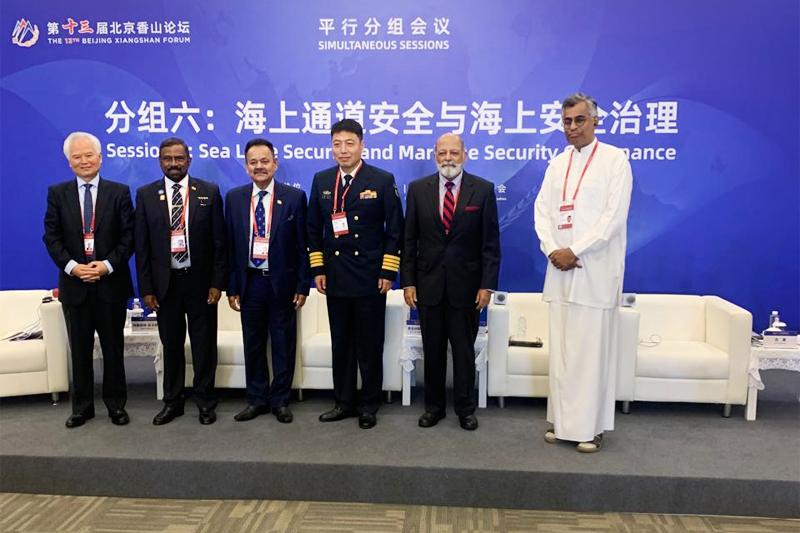
ඔහු මේ බව සඳහන් කළේ චීනයේ බීජිං නුවර පැවති ෂියැංෂාන් (Beijing Xiangshan Forum) වාර්ෂික ජාත්යන්තර ආරක්ෂක සමුළුවේ විශේෂ සැසියක් අමතමිනි. ආසියානු සහ යුරෝපීය කලාපීය නියෝජිතයන්, ආරක්ෂක අංශ ප්රධානීන් සහ විද්වතුන් සහභාගී වූ මෙම සමුළුවේදී "බලශක්තිය රටක ආරක්ෂාවට බලපාන්නේ කෙසේද" යන්න පිළිබඳ සංවාද මණ්ඩපය සඳහා ශ්රී ලංකාව නියෝජනය කරමින් ඔහු එක්ව සිටියේය.
සම්පත් හිමිකාරිත්වයෙන් තාක්ෂණික පරිවර්තනයට
පළමු කාර්මික විප්ලවය ගල් අඟුරු සහ වාෂ්ප එන්ජිම මත ද, දෙවන කාර්මික විප්ලවය ඛනිජ තෙල්, විදුලිය සහ න්යෂ්ටික බලය මත ද ගොඩනැගුණු බව පෙන්වා දුන් හිටපු අමාත්යවරයා, විසිවන සියවසේ ලෝක බලය තීරණය වූයේ තෙල් ළිං සහ සමුද්රීය සැපයුම් මාර්ග පාලනය කළ පාර්ශ්වයන් සතුව බව සිහිපත් කළේය.
එහෙත් කෘත්රිම බුද්ධිය (AI), චන්ද්රිකා තාක්ෂණය සහ දුර්ලභ මූලද්රව්ය (Rare Earth) මූලික කරගත් වත්මන් 'ස්මාර්ට් යුගය' හමුවේ එම පැරණි උපකල්පන වෙනස් වෙමින් පවතින බව ඔහු පෙන්වා දුන්නේය.
"අද ලෝකයේ මතුවන තීරණාත්මක ප්රශ්නය වන්නේ තමන් සතුව බලශක්තිය තිබේද යන්න පමණක් නොවේ. එම බලශක්තිය ආර්ථික, තාක්ෂණික හා ආරක්ෂක ශක්තියක් බවට පත්කර ගැනීමට අවශ්ය දැනුම සහ මෙවලම් තමන් සතුද යන්නයි," යනුවෙන් ඔහු සඳහන් කළේය.
අර්ධ සන්නායක (Semiconductors) සහ නව යුද මානයන්
පුනර්ජනනීය බලශක්ති ප්රභවයන් කොතෙක් තිබුණ ද, නිපදවන විදුලිය කාර්යක්ෂමව පද්ධතියට එක් කිරීම, ගබඩා කිරීම සහ බෙදාහැරීම කළමනාකරණය නොකර ආර්ථික වාසි අත්පත් කරගත නොහැකි බව මෙහිදී සාකච්ඡා විය. විශේෂයෙන්ම අර්ධ සන්නායක චිප්ස් (Semiconductors) යනු බලශක්ති ප්රභවයක් නොවුණ ද, නූතන බලශක්ති පාලනය, සූර්ය කෝෂ, නවීන බැටරි සහ විදුලි වාහන පද්ධති ක්රියාත්මක වන්නේ එම තාක්ෂණය මත බව ඔහු පැහැදිලි කළේය.
යුද සහ ආරක්ෂක ක්ෂේත්රය ගොඩබිම, ගුවන සහ මුහුද යන සම්ප්රදායික මානයන්ගෙන් ඔබ්බට ගොස් අභ්යවකාශය, ඩ්රෝන සහ සයිබර් අවකාශය ඇතුළත් මානයන් හයකින් යුත් දෙමුහුන් (Hybrid) ස්වරූපයක් ගෙන ඇති බවද ඔහු පෙන්වා දුන්නේය. සාම්ප්රදායික ඉන්ධන සැපයුම් මාර්ග මත පමණක් යැපෙන හමුදාවකට වඩා, තමන් මෙහෙයුම් කරන පරිශ්රයේදීම බලශක්තිය නිපදවාගෙන, ගබඩා කර බුද්ධිමත්ව පාලනය කළ හැකි හමුදාවන් අනාගතයේදී උපායමාර්ගික වාසි අත්කරගනු ඇතැයි හිටපු අමාත්යවරයා පැවසීය.
ශ්රී ලංකාවට සහ ගෝලීය දකුණට ඇති අවස්ථා
ලෝකයේ පවතින භූ-දේශපාලනික අර්බුද හේතුවෙන් සාම්ප්රදායික සැපයුම් මාර්ග අවහිර වන මෙවන් යුගයක, ඛනිජ තෙල් සම්පත් අවම සංවර්ධනය වෙමින් පවතින රටවලට මෙය නව අවස්ථාවක් බවද මෙහිදී අවධාරණය කෙරිණි.
තම දේශනය අතරතුර ශ්රී ලංකාවේ අත්දැකීම් ගෙනහැර දැක්වූ හිටපු අමාත්යවරයා, ආනයනික පොසිල ඉන්ධන මත පමණක් යැපීම ජාතික අනාරක්ෂිතභාවයකට මඟපාදන බවත්, ඊට විසඳුම තවත් ඉන්ධන සපයන්නෙකු සොයාගැනීම පමණක් නොව රටේ බලශක්ති ව්යුහයම පරිවර්තනය කිරීම බවත් ප්රකාශ කළේය.
"ශ්රී ලංකාව වැනි රටකට බලශක්ති ස්වාධීනත්වය යනු තෙල් ළිඳක් අයිති කරගැනීම පමණක් නොවේ. අප සතු සූර්යාලෝකය, සුළඟ, භූගෝලීය පිහිටීම සහ මානව සම්පත නිවැරදි තාක්ෂණය සමඟ මුසුකර රටට අවශ්ය ශක්තිය බවට පත්කර ගැනීමයි," යැයි ඔහු සඳහන් කළේය.
එබැවින් සංවර්ධනය වෙමින් පවතින රටවල් අතර ජාත්යන්තර සහයෝගීතාව ගොඩනැගිය යුත්තේ හුදෙක් ඉන්ධන මිලදී ගැනීමට හෝ යටිතල පහසුකම් ඉදිකිරීමට පමණක් සීමා නොවී, තාක්ෂණික දැනුම, පර්යේෂණ සහ නිෂ්පාදන හැකියාවන් බෙදාහදා ගන්නා පුළුල් හවුල්කාරිත්වයක් ලෙස බව පෙන්වා දෙමින් හිටපු අමාත්ය පාඨලී චම්පික රණවක සිය අදහස් දැක්වීම අවසන් කළේය.
වැඩිදුර කියවීම සඳහා:
හිටපු අමාත්ය පාඨලී චම්පික රණවක කළ සමස්ත දේශනයේ පිටපත මතු පළවේ.
Distinguished Chair,
Honourable guests,
Excellencies,
Distinguished scholars and colleagues,
It is a great privilege to participate in this important discussion.
We are meeting at a moment when the relationship between energy, technology and geopolitical power is undergoing a fundamental transformation.
Throughout modern history, major changes in the international distribution of power have been closely associated with major changes in the way human civilization has discovered and utilized energy.
The first industrial revolution was built upon coal and the steam engine.( The transformation from muscle to machine)
The second great transformation was built upon oil, electricity and the internal combustion engine and nuclear power.
The geopolitical order of the twentieth century was profoundly shaped by access to fossil fuel.
Control of oil fields.
Control of maritime routes.
Control of pipelines.
And control of the regions through which energy flowed – the choke points of the world.
For much of that period, a simple assumption dominated international politics:
Those who possessed energy resources possessed strategic power.
But today, in this smart age, with the advent of satellite, discovery of rare earth and the introduction of Artificial Intelligence, I believe that this assumption is becoming increasingly inadequate.
Because the world is entering another energy transformation.
And this transformation is being driven not only by the discovery of new sources of energy, but by the technological revolution that allows us to use energy in entirely different ways.
The decisive question is gradually changing.
It is no longer simply:
Who possesses energy?
Increasingly, the question is:
Who possesses the technology to convert energy into economic, technological and military power?
Even the Military power is not in the traditional form we are used to. The traditional Ground, Air and Naval dimensions have been upgraded to the space, drone and cyber included 6 dimensions. Hard power + soft power combine to create a new generation of hybrid warfare. It is a matter of scattered smaller factories vs mega military hardware complexes.
On the other hand..
Discovery of Shale energy and hydrogen as a new energy sources + modular nuclear power systems including fusion reactors are changing the energy hemisphere.
And I believe this is one of the most important geopolitical transformations of our time.
The strategic value of an energy source is therefore increasingly determined not merely by its physical existence, but by the technological capacity to convert it into not only useful power but smart energy.
A country may possess renewable resources.
But without the technology to evacuate and store electricity, distribute it efficiently and stabilize the grid, those resources cannot be fully transformed into economic advantage.
Therefore, in the emerging energy order:
Energy resources alone are not sufficient.
The transformation is increasingly leaning towards Increasing higher share of electricity fulfilling the energy demand, evacuation of green energy, autonomous systems, smart grids, AI and space technology.
This is where the semiconductor revolution becomes geopolitically important.
The semiconductor is not an energy source.
But it has fundamentally changed the global energy landscape.
Semiconductors allow us to control electricity with extraordinary precision.
They make possible:
high-efficiency solar systems,
modern batteries,
electric vehicles,
smart electricity grids,
advanced manufacturing,
artificial intelligence,
autonomous systems,
and increasingly, modern military capability.
Therefore, the semiconductor revolution has changed the relationship between energy and power.
In the twentieth century, geopolitical power was closely connected to the possession of fossil fuel.
In the twenty-first century, power will increasingly depend upon the ability to combine:
energy + technology + computing + storage + intelligent management.
This is a very different energy civilization.
Ladies and gentlemen,
This transformation also has profound implications for war and military power.
Traditional military power was built around a relatively straightforward energy logic.
A tank required fuel.
An aircraft required fuel.
A naval fleet, rockets, Missiles, Submarines required fuel.
Therefore, the disruption of oil supplies and maritime routes could directly weaken military capability.
That vulnerability remains.
But the technological transformation of military systems is now creating a new strategic equation.
The military systems of the future will increasingly depend upon: smart electricity usage, advanced cyber networks, Autonomous systems , AI and space technologies
An army that is entirely dependent upon long and vulnerable supply chains carrying diesel and petroleum faces a very different strategic problem from a force that can increasingly generate, store and intelligently manage energy closer to the point of operation.
The question is therefore no longer simply:
How much energy does a military possess?
The question is:
How intelligently can a military utilize the energy available to it?
We are in a transitional period
On one hand we are witnessing disruption to the traditional geography of energy.
Wars and geopolitical tensions have disrupted established trade routes.
Maritime chokepoints have once again become strategic vulnerabilities.
Energy supply chains have become instruments of political and economic pressure.
Established state military powers are being challenged by scattered and decentralised smaller aggressors giving rise to Asymmetrical wars.
The traditional response to this problem has been to ask:
How do we secure more oil?
How do we secure more gas?
How do we secure more shipping routes?
These questions remain important.
In response, countries have moved towards finding new routes, self-sufficiency, energy resilience, increasing share of electricity and
moving towards renewable energy.
Alternative energy order accelerates
However, the old energy vulnerabilities may not disappear.
They may simply change form.
But this transformation creates an important new possibility for developing countries.
For countries with limited fossil-fuel resources, renewable energy combined with modern technology can reduce dependence upon distant supply routes.
For developing countries, therefore, the energy transition should not be understood merely as an environmental obligation.
It is also an opportunity for strategic transformation.
The strategic objective should not be merely:
access to energy.
It should be:
access to the technology that allows energy to be intelligently utilized.
This is why technology transfer, scientific cooperation, manufacturing capability and human capital are becoming increasingly important components of energy security.
A solar panel imported from abroad can generate electricity.
But a nation that understands how to manufacture, maintain, improve and integrate that technology develops something far more important.
It develops strategic capability.
As a minister of power and energy I have spearheaded a pivotal transformation of energy mix by initiating the roof-top solar systems in Sri Lanka. Striving to achieve stable electricity supply, I have led many a project including the establishment of lakvijaya coal plant, constructing transmission lines and initiating waste to energy projects. My experiences and the understanding of the interwoven relationship between Energy and political power is elaborated in a book that I have published: “balaya saha balaya”
Sri Lanka's own experience has demonstrated how dependence upon imported energy can rapidly become a national vulnerability.
But the lesson we must draw from that experience is not simply that we must find alternative suppliers of fossil fuels.
The deeper lesson is that we must transform the structure of our energy system.
We must move from dependence on the physical transportation of energy towards the intelligent utilization of the energy resources available to us.
Our sunlight.
Our wind.
Our geographic position.
Our human capital.
And our technological capacity.
For Sri Lanka and many other developing countries, energy sovereignty in the future cannot simply mean owning an oil field.
It must mean having the capacity to convert available resources into reliable economic and social power.
Ladies and gentlemen,
This brings me to the larger geopolitical question.
For centuries, the geography of power was strongly influenced by the geography of energy resources.
Coal shaped industrial power.
Oil shaped twentieth-century geopolitics.
Strategic maritime routes connected the energy-producing regions with the industrial economies.
But we are now entering a period in which the geography of energy is becoming increasingly intertwined with the geography of technology.
The countries that lead in:
semiconductors,
advanced materials,
batteries,
artificial intelligence,
power electronics,
grid technology,
and advanced manufacturing
may increasingly determine the direction of the global energy order.
Therefore, we must understand that the future competition is not simply for energy.
It is for the technology that determines how efficiently energy can be converted into power.
This has major implications for China, for Asia, and for the Global South.
(I kept this part since it is important for china)
International energy cooperation must therefore go beyond the supply of fuel or the construction of infrastructure.
It must increasingly involve:
technology,
knowledge,
research,
manufacturing,
skills,
and the capacity to develop indigenous solutions.
The most valuable international energy cooperation is not cooperation that creates permanent consumers.
It is cooperation that creates new capabilities.
In terms of defence and security the post WWI world order is no more. What we have now is a fragmented world order. It is multipolar. And the vulnerable countries are isolated and at imminent risk.
Therefore:
What the global south needs today is a corporate defence mechanism in terms of energy corporation. Rather than being seen as a form of aggression, these efforts to corporate with each other for energy security must be seen as a deterrence.
In conclusion, I would submit one central thought to this distinguished forum.
The geopolitical history of energy is entering a new phase.
The possession of an energy resource no longer automatically guarantees economic advantage or political power.
In the emerging world, the decisive advantage will increasingly belong to those who possess the scientific and technological capacity to use energy more efficiently, more intelligently and more independently.
For the Global South, this represents both a danger and an opportunity.
The danger is that new energy systems may create new technological dependencies.
The opportunity is that technological transformation may allow countries previously disadvantaged by the geography of fossil fuels to create new sources of economic and strategic strength.
Our challenge, therefore, is not merely to secure energy.
It is to secure the technological capacity to transform energy into national power.
Because in the new energy order, the future will not necessarily belong to those who possess the greatest resources.
It may belong to those who know how to use the resources of the world most intelligently.
Thank you.